 serconet
AI NEWS · EDITORIAL SUMMARY
OpenAI reports GPT-6 protein-design results with laboratory tests
The research combines reasoning and code to propose structures and sequences. Tests show target binding, with specialized models supporting the workflow.
Why it matters: The study expands molecular tasks described through prompts, while stopping short of autonomous end-to-end drug design.
Capabilities under study
OpenAI evaluated GPT-6-family models across 14 protein tasks, including proposing structures, redesigning sequences, predicting interactions and ranking mutations by their effects. Models generated proposals through reasoning and code. The study includes GPT-6.2 and an internal research model; its strongest results do not constitute a new model generally available to users.
What was tested outside the computer
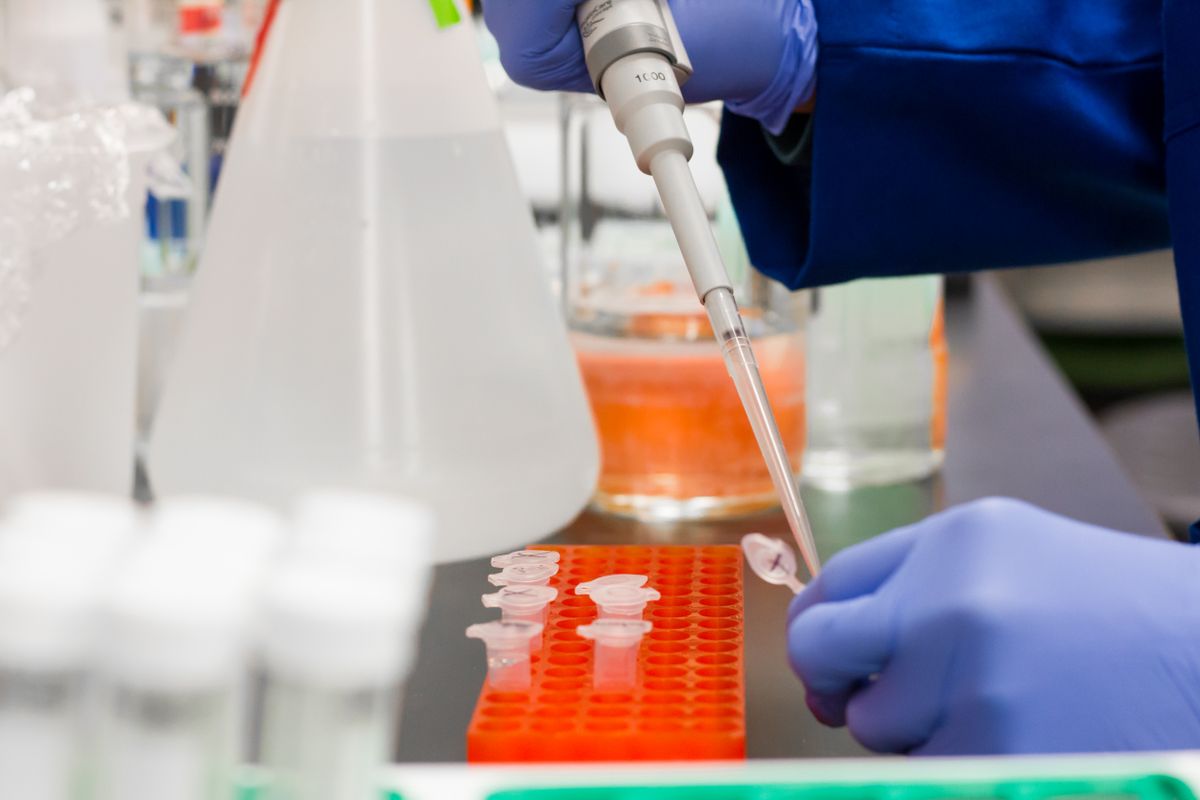
With Onava, researchers manufactured small proteins from structures proposed by a prerelease GPT-6.2 version. At least one showed evidence of binding for each of five chosen targets. Other experiments redesigned sequences for existing small proteins and antibodies, with selected candidates also retaining binding.
Specialized support still matters
Biology models helped supply sequences and filter candidates for laboratory testing. OpenAI says the findings do not establish end-to-end, zero-shot generation of new binding proteins without specialized assistance. Predicting an entire protein structure from its sequence also remains a weakness compared with dedicated systems.
Binding is not a treatment
The experiments measure an early step. Specificity, stability and biological activity still need testing, followed by safety and efficacy for therapeutic use. The research points toward more flexible design cycles, but announces neither a medicine nor proof that the proposed molecules produce a clinical effect.
CONTINUE WITH THE ORIGINAL
Read the full announcement
This is Serconet’s own editorial summary. The original announcement provides the full details and conditions.
Read the original · OpenAI · English (opens in a new tab)