 serconet
AI NEWS · EDITORIAL SUMMARY
Antigravity adds skills for interpreting mass spectra
Google combines Gemini, chemistry tools and public databases to propose molecular structures and present the evidence to specialists.
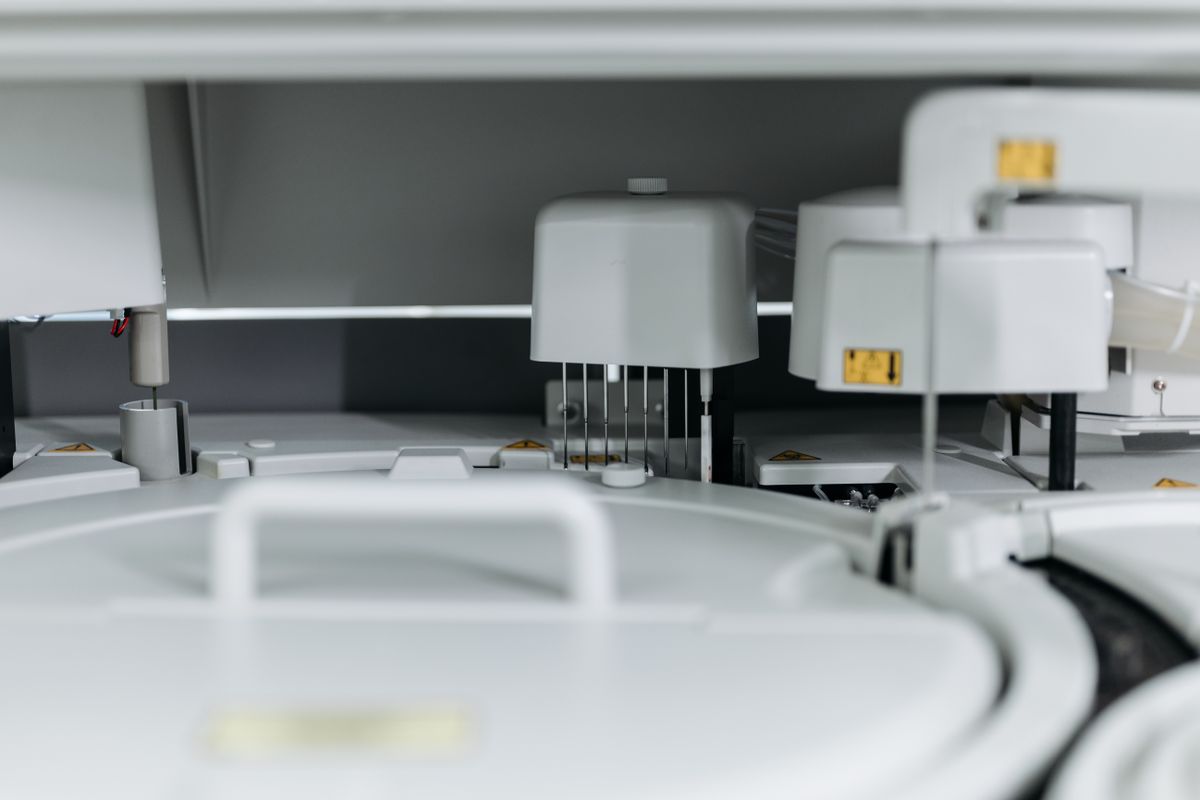
Why it matters: The extension brings analysis steps previously spread across several tools into one workflow.
From a signal to chemical candidates
Mass Spec Skills helps interpret tandem mass spectra: measurements of charged molecules and their fragments. The agent prepares signals, searches reference libraries, proposes formulas and compares candidate structures. Skills run established chemistry tools and public-database queries, while model reasoning organizes the results.
What researchers receive
The workflow can produce a proposed structure and a report linking measured peaks to fragments and explaining why alternatives were rejected. Individual steps, such as signal cleanup or isomer comparison, can also run separately. Users can describe instrument tolerances in natural language instead of configuring each tool independently.
Results under specific conditions
Google evaluated 100 spectra for molecules present in public reference libraries, with three attempts per spectrum. Adding the skills brought exact-molecule identification to around 97% of attempts across the three tested models. This measures retrieval of known compounds in that set, rather than proving the same accuracy for arbitrary unknown samples.
Access and scientific limits
Skills are available through Antigravity’s Mass Spec plugin, including enterprise access. Google offers 10,000 scientists six months of its highest usage tier, subject to selection, capacity and eligibility. New molecules and certain isomers require additional measurements: the agent cannot independently confirm structures absent from databases. Chemists retain review of proposed structures and scientific decisions.
CONTINUE WITH THE ORIGINAL
Read the full announcement
This is Serconet’s own editorial summary. The original announcement provides the full details and conditions.
Read the original · Google DeepMind · English (opens in a new tab)